Passion Pathways Across Europe
Stories from the Progression Pathways in Social Sports project
Within the European project Progression Pathways in Social Sports (PPSS), organizations across six countries work toward one shared ambition: creating progression pathways for people in vulnerable situations through sport. In Portugal, the organization CAIS plays a key role in making this ambition a reality.
Football as a platform for development
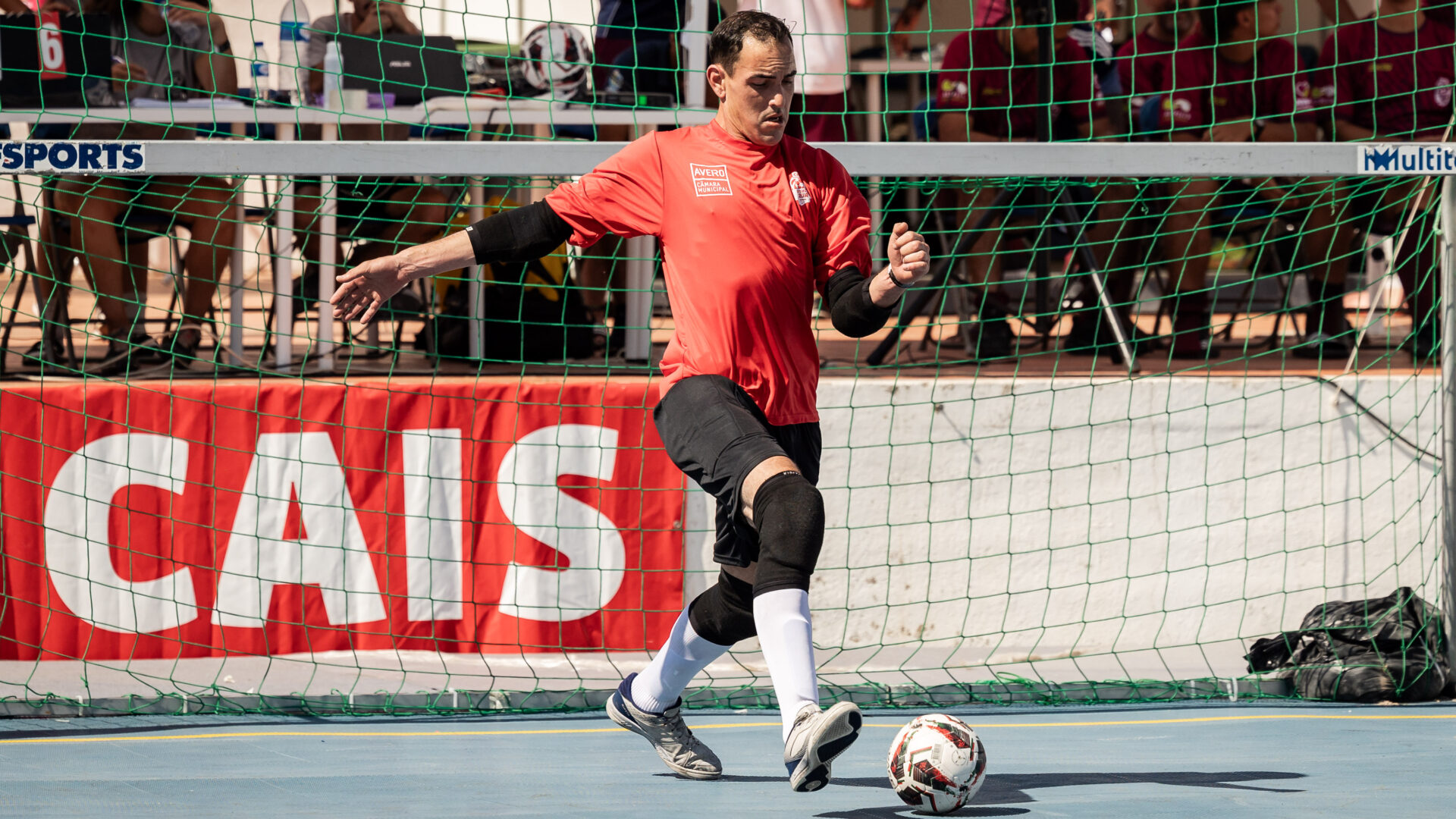
CAIS focuses on supporting people who experience homelessness or poverty, or who are at risk of it. One of the ways they do this is through sport and particularly football. The sport provides a powerful platform for personal development and creates opportunities for people who often have limited access to structured activities.
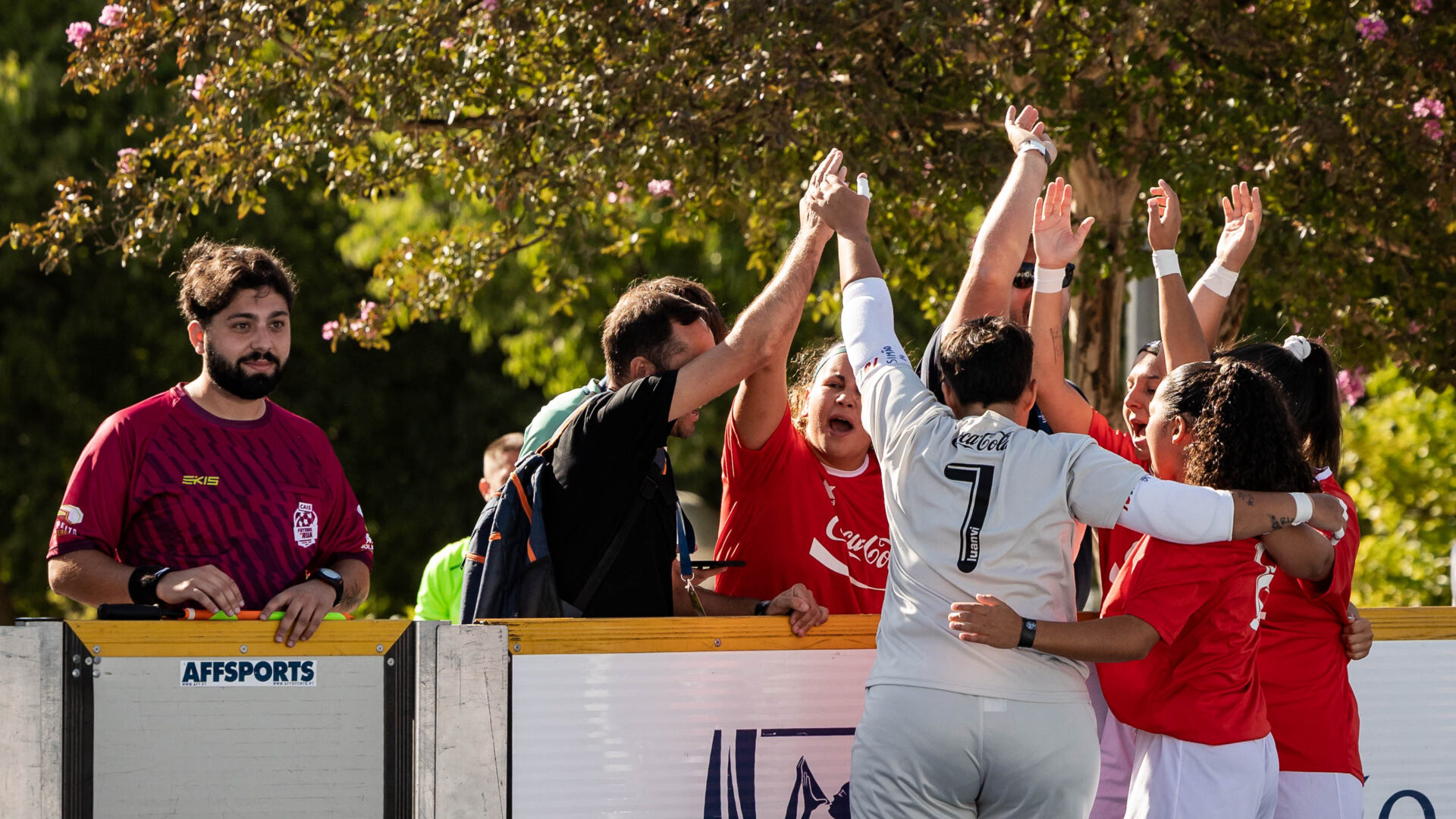
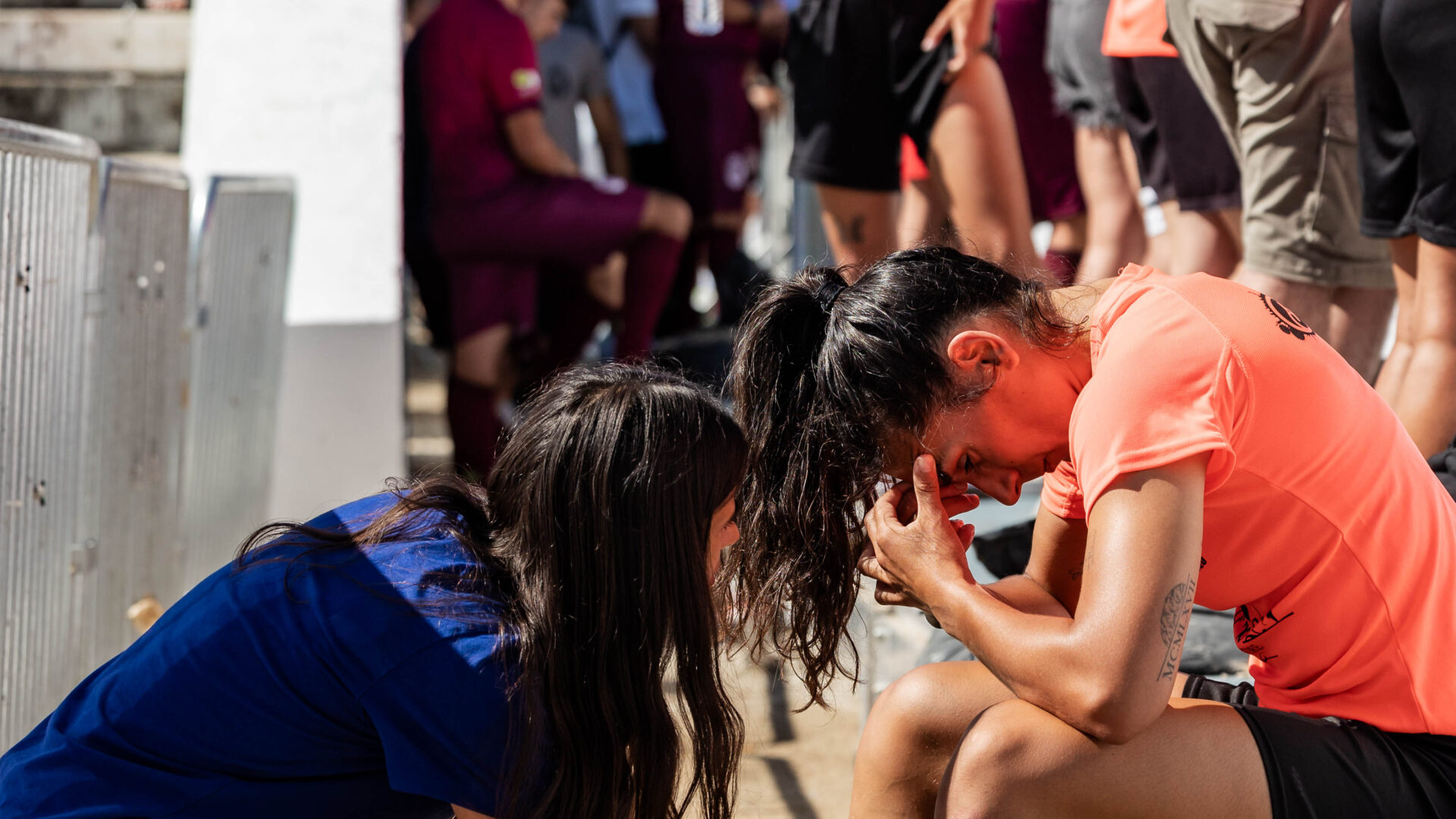
On the pitch, everyone is welcome. Background, gender or personal history do not matter. What matters is participation, connection, and growth. In Portugal, football is deeply embedded in the culture, especially among young adults. Within the CAIS program, participants between 18 and 30 years old form the largest group. For many of them, sport offers more than just physical activity; it provides a sense of direction and hope for the future.
Strengthening an existing program
With more than ten years of experience running social sports activities as a platform for development, CAIS already had a strong foundation before joining PPSS. The project allowed them to strengthen their existing program and add more structure to the progression of participants.
Through PPSS, players are now given clearer opportunities to develop into Life Skills Trainers or Social Sports Coaches.
At the start of the project, CAIS hosted a training in Viseu where representatives from all partner countries learned about their approach to life skills training. Later in the project, partners traveled to Norway to focus on the Social Sports Coach training.
According to Gonçalo, coordinator in Portugal, the two roles complement each other but focus on different aspects of development.
“The Social Sports Coach focuses more on the sports activity itself, while the Life Skills Trainer focuses on personal development,” he explains. “Sometimes one person can combine both roles, but in our program, we try to keep them separate. We see that this works very well.”
The exchange of knowledge between countries proved valuable. “We learned a lot from the Social Sports Coach training and are now integrating it into our regular curriculum,” Gonçalo adds.
From participant to coach
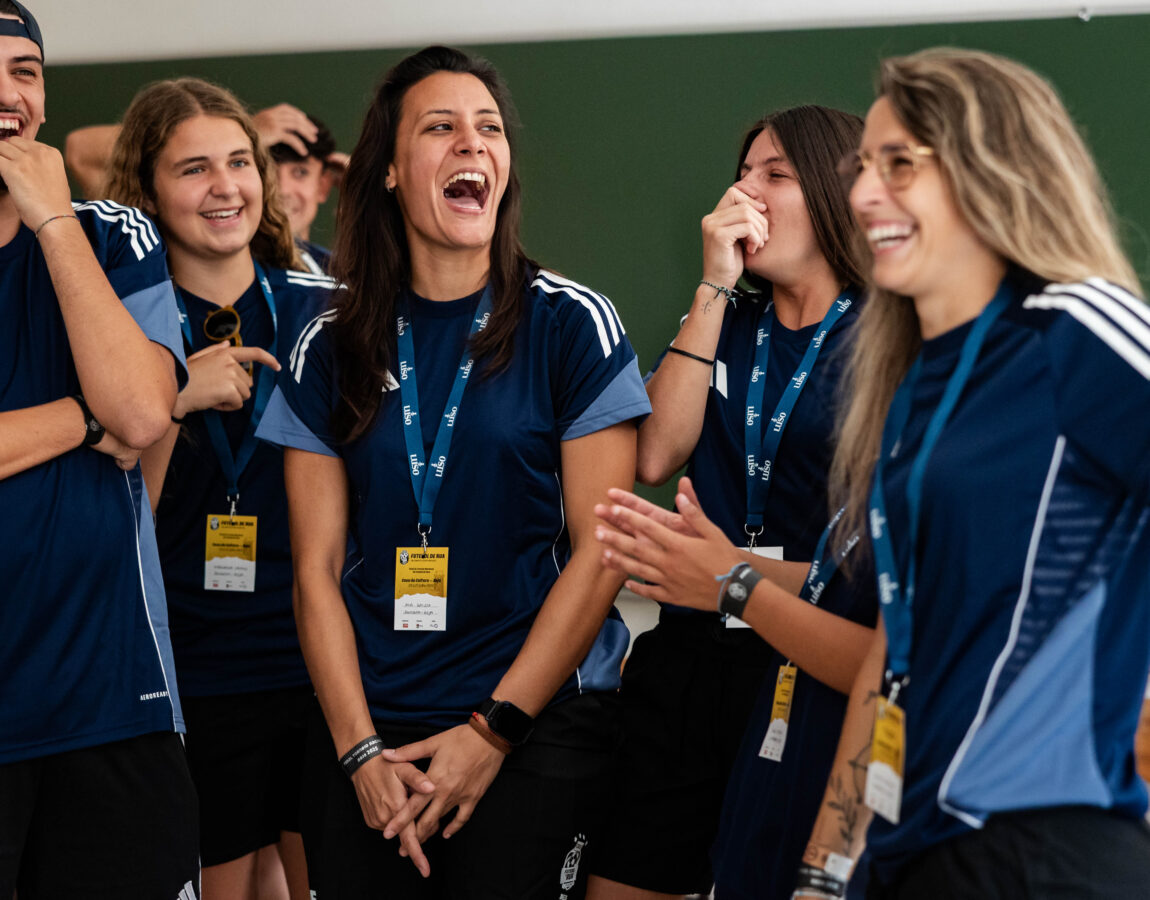
A key success of the project in Portugal has been the number of participants who continued their journey within the program. Many of the trained coaches stayed involved and took on active roles in organizing activities.
Receiving official certification as a Social Sports Coach has also proved meaningful. It gave participants recognition for their efforts and helped them feel part of something larger than their local program.
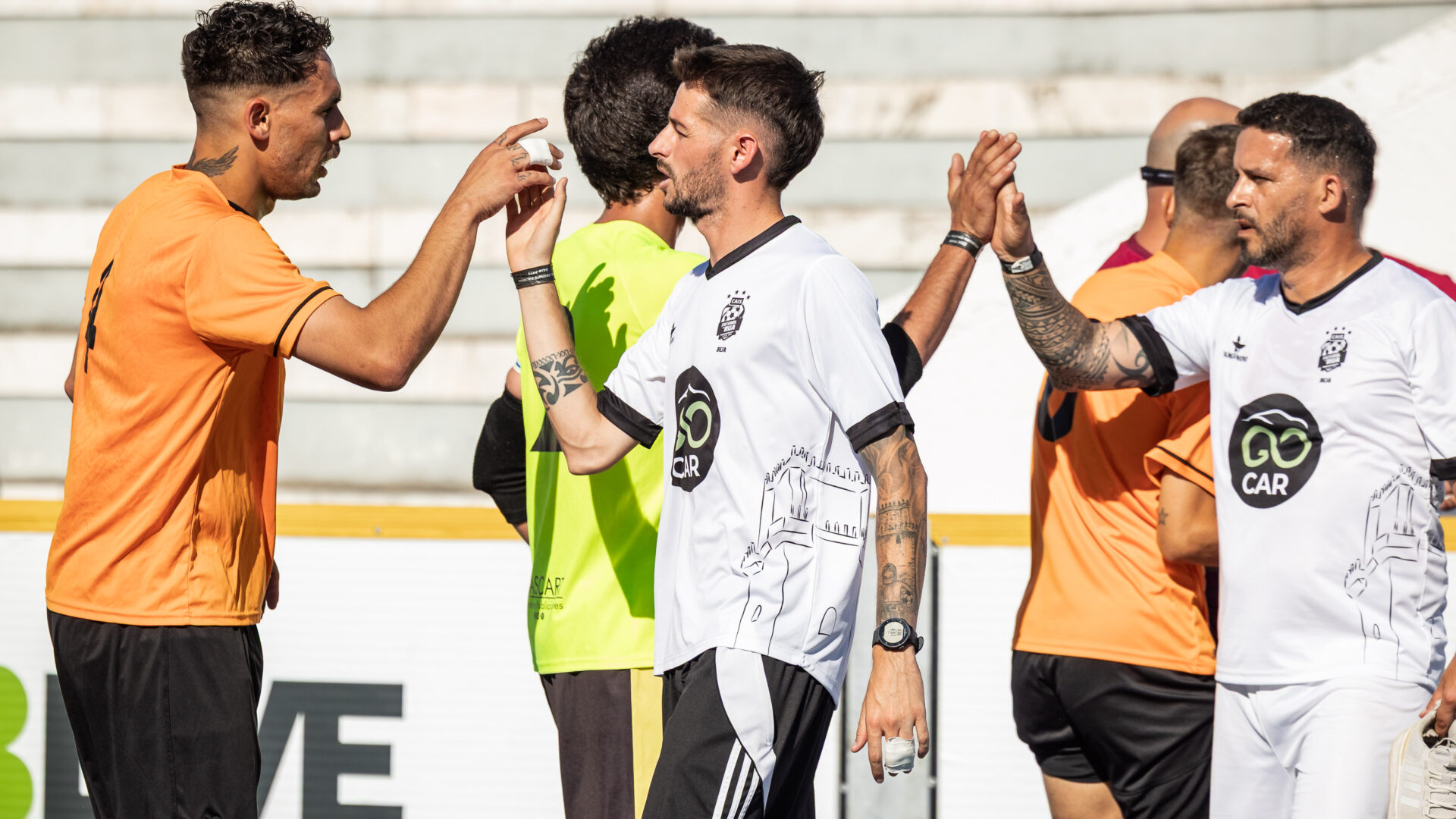
The progression pathway became visible during the national CAIS event in July 2025. Twenty-five participants followed the full PPSS pathway: starting as players, completing the Social Sports Coach training, organizing activities themselves and eventually preparing teams for the national tournament.
During the event, these new coaches served as role models, encouraging other players to follow the same path.
Looking ahead
For CAIS, the project does not end with PPSS. The organization plans to continue using the progression pathway as a core element of its program.
“Our dream,” Gonçalo says, “is that this approach will inspire other countries in Europe, and even beyond, to create similar pathways through sport.”
Through football, structure and shared learning across Europe, Portugal demonstrates how social sports can open doors to new opportunities, leadership and personal growth.
EU disclaimer
Funded by the European Union. Views and opinions expressed are however those of the author(s) only and do not necessarily reflect those of the European Union or the European Education and Culture Executive Agency (EACEA). Neither the European Union nor EACEA can be held responsible for them.