Passion Pathways Across Europe
Stories from the Progression Pathways in Social Sports project
Within the European project Progression Pathways in Social Sports (PPSS), organizations across six countries work towards one shared ambition: creating progression pathways for people in vulnerable situations through sport. In Norway, this ambition found a natural home at the Salvation Army.
A natural match
The Salvation Army in Norway works under one of their missions “Meet the Human Needs”: supporting people regardless of gender, race or background. “We also want to lift people up and help them develop,” says project coordinator Rune Isegran. “That is why this project is a great match with our vision. We want to do something more for these people and help them find purpose.”
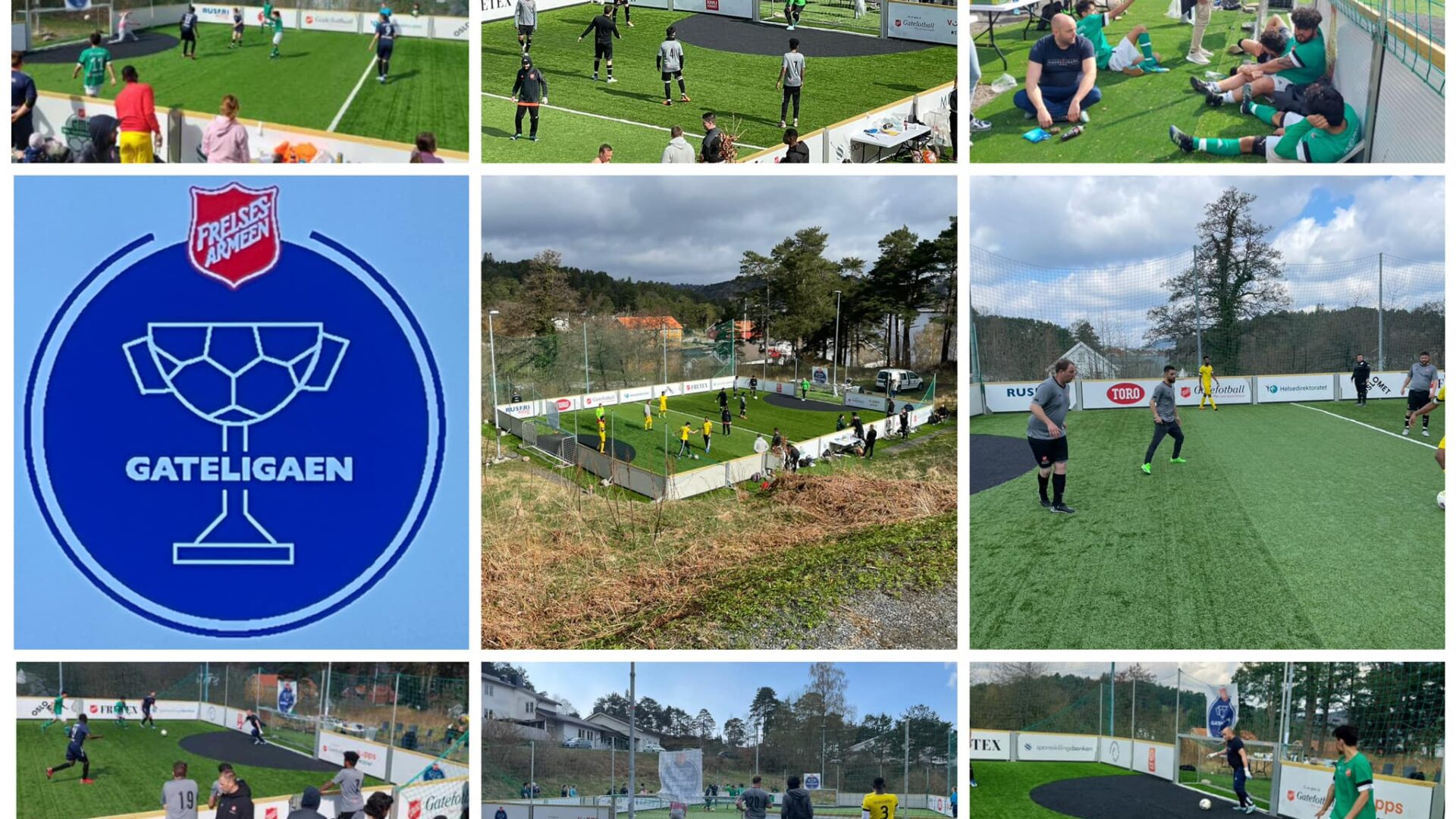
Sport was already an important tool within the organization. Their long-running football program brings players together once or twice a week, with participation in the Homeless World Cup as a shared goal. The tournament, hosted in Oslo last year, showed how powerful sport can be in creating pride and connection. “In our soccer program, players already have the opportunity to become referees or assistant coaches,” Rune explains. “With PPSS, we can now offer them the opportunity to become Social Sports Coaches.”
From partcipant to coach
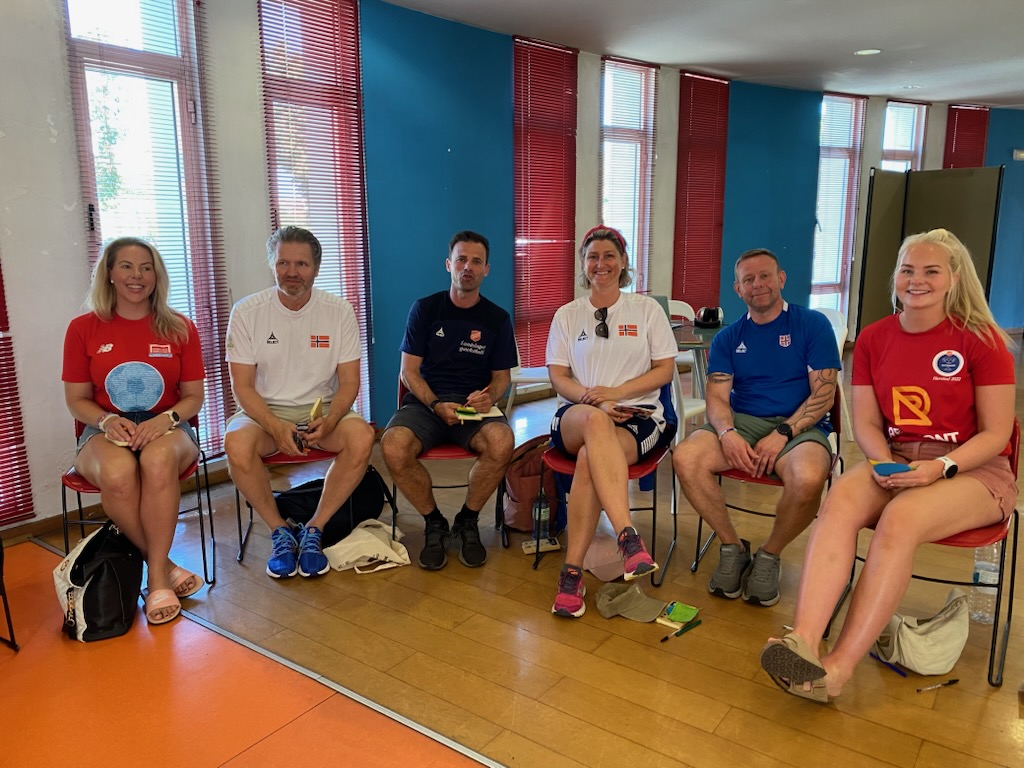
This step, from joining an activity to leading one, is at the heart of PPSS. In Norway, several participants completed the Social Sports Coach course and immediately started organizing activities themselves.
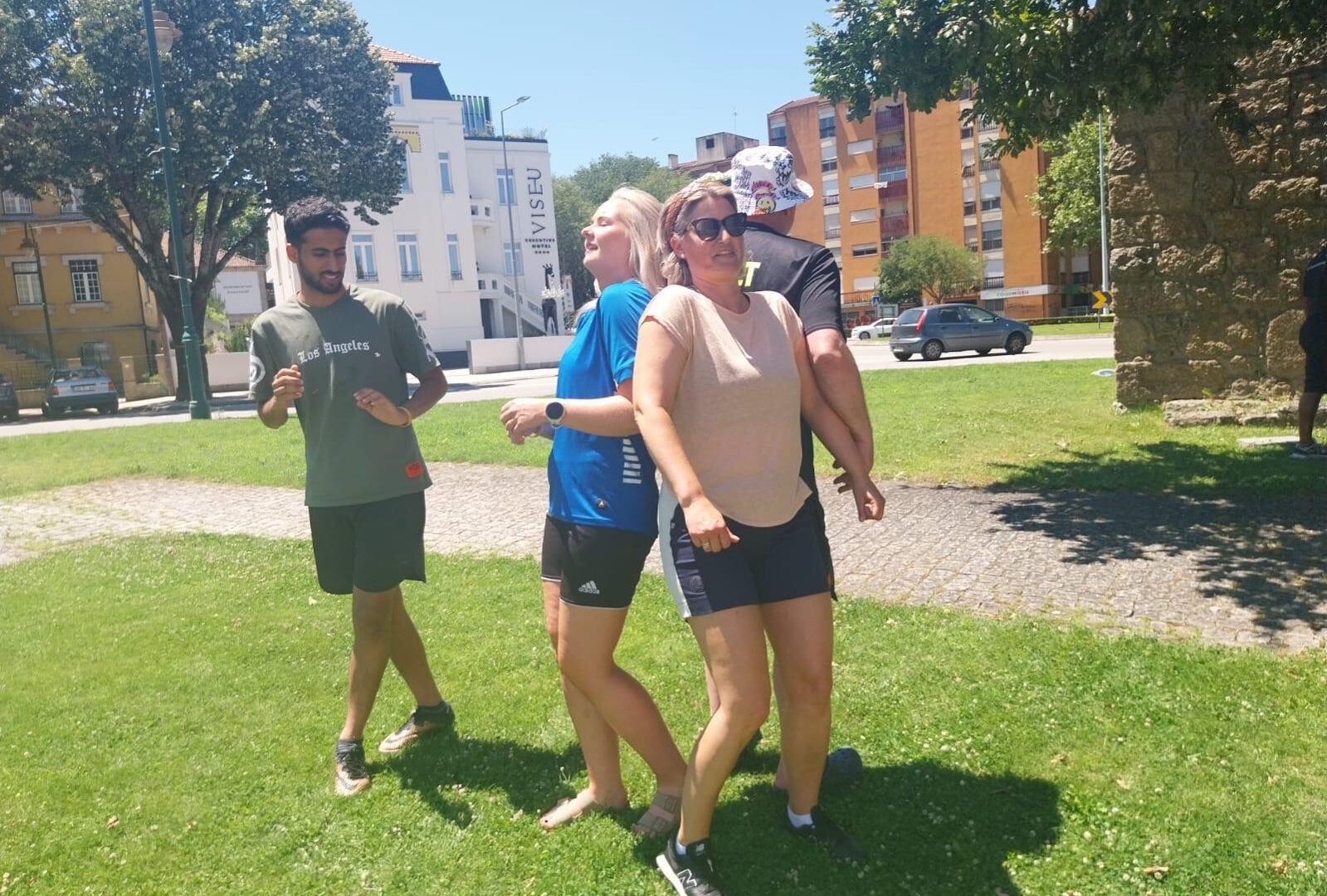
Recruitment took place in community spaces where people come to meet, have coffee, or simply spend time. The newly trained coaches invited them to join accessible, low-threshold sports activities, each combined with a focus on life skills. Every session included a check-in and debrief: a structured reflection moment that turned sport into a learning experience.
“That check-in and debrief after each activity is something we now want to implement more widely within the organization,” Rune shares. What started as a project element is becoming part of a broader working method.
A powerful example of impact came during the Homeless World Cup. Two trained Social Sports Coaches organized additional life skills activities for participating teams during the tournament week. “They really grew into their role as coach,” Rune says. “They are now the coaches of our women’s soccer team.” The pathway from participant to leader became visible in real time.
Challenges and lasting impact
Working with the target group remains complex. Many participants have experienced homelessness and addiction. Motivating them to engage in physical activity can be challenging, and the threshold to join is often high. However, Rune sees gradual change.
“Within the whole organization, we are focusing more on implementing physical activity alongside therapy. And I see a positive shift.”
Although Norway has a smaller population compared to some of the other participating countries, the ambition is not small. The Social Sports Coach course will be embedded into the organization’s Academy structure, likely offered every two years, ensuring that the progression pathway continues beyond the project timeline.
Through PPSS, Norway is not just delivering activities. It is building purpose, ownership and leadership.
EU disclaimer
Funded by the European Union. Views and opinions expressed are however those of the author(s) only and do not necessarily reflect those of the European Union or the European Education and Culture Executive Agency (EACEA). Neither the European Union nor EACEA can be held responsible for them.