Passion Pathways Across Europe
Stories from the Progression Pathways in Social Sports project
Within the European project Progression Pathways in Social Sports (PPSS), organizations across six countries work toward one shared ambition: creating progression pathways for people in vulnerable situations through sport. In Hungary, the Second Chance Sports Association (SCSA) has embedded this approach into a broad program focused on both sport and social development.
More than sport alone
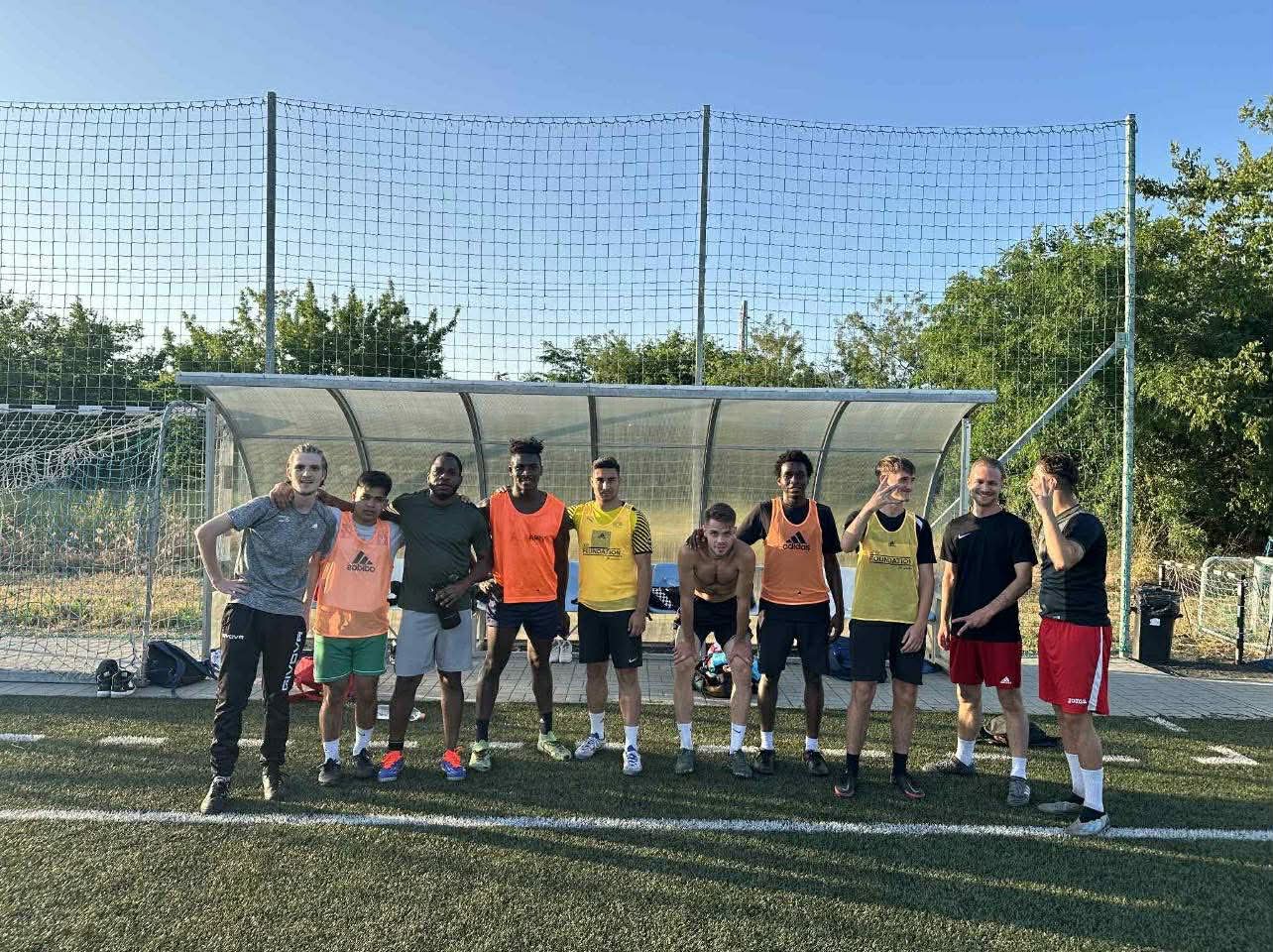
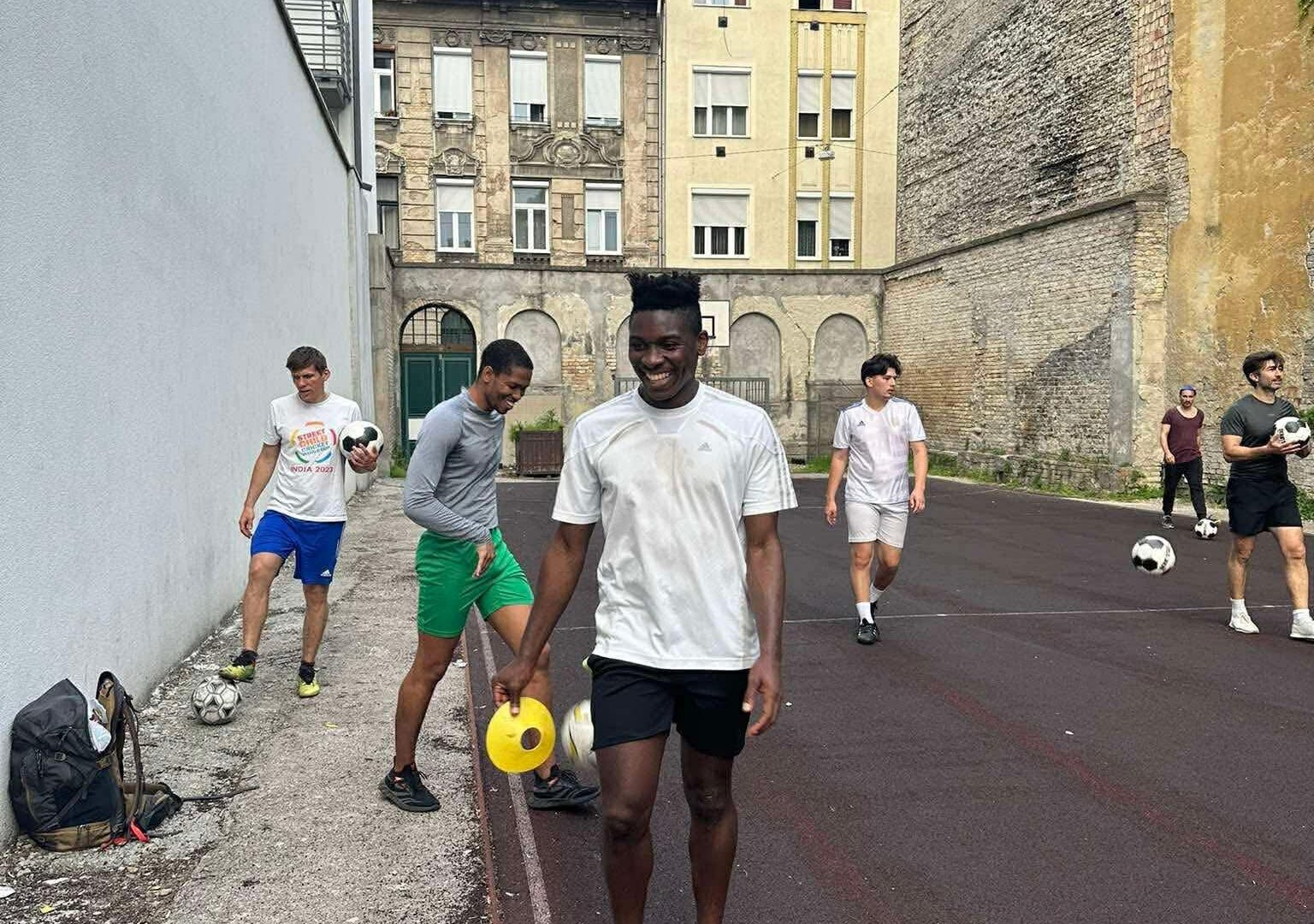
SCSA works with children, young adults and adults, offering a wide range of activities, with football as the central pillar. These activities provide a safe and accessible environment where people can meet, connect, and stay active.
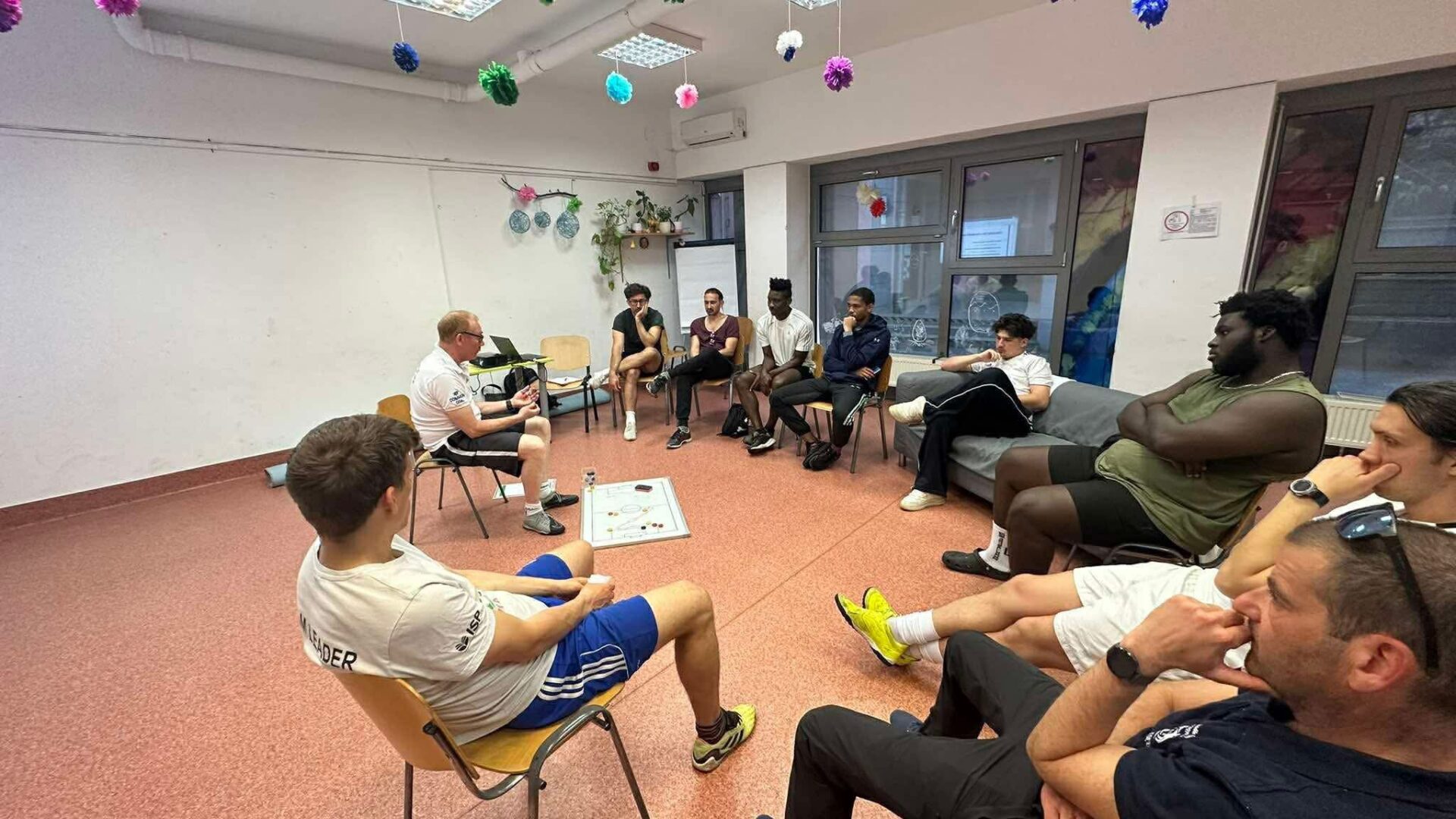
But sport is only one part of their approach. SCSA combines physical activity with social support and personal development. Alongside training sessions, they organize workshops that help participants build practical skills, such as improving their CV or learning English. These are essential tools for people working toward a more stable future.
This combination of sport and development made PPSS a natural fit for the organization.
Creating structure and ambition
While SCSA had long been using sport as a way to support and empower young people, PPSS introduced a more structured pathway. Participants are no longer only players, but they are now given the opportunity to grow into the role of Social Sports Coach.
This shift adds a new layer of ambition. It encourages participants to take ownership, develop leadership skills and see themselves in a different role within the community.
“It helps them to dream bigger,” is a sentiment that strongly resonates within the organization.
From player to role model
One of the most powerful examples of this pathway in action is Patrick.
He joined SCSA at a young age as a player and was always content in that role. Over time, however, coaches noticed something more. Frigyes, one of the coaches at SCSA, saw Patrik naturally grow into a leading figure among the younger participants.
“I asked Patrik several times if he was interested in coaching,” Frigyes explains. “But it wasn’t until PPSS that he decided to take that step.”
Through the program, Patrik started to take on coaching responsibilities during activities and now supports as an assistant coach during larger tournaments. His journey illustrates exactly what PPSS aims to achieve: turning participation into progression, and players into role models.
Strenghtening the sport organization
The impact of PPSS is not limited to participants alone. It has also influenced how SCSA organizes its work behind the scenes.
As more people became interested in contributing, the organization saw a rise in volunteers. This created the need for clearer structures, defined roles and better coordination. PPSS helped SCSA to professionalize this aspect of their organization as well.
The next step
SCSA is committed to continuing the pathway introduced through PPSS. Training participants to become coaches will remain a key part of their program.
Looking forward, the organization plans to develop the course into a training camp format, organized every one or two years. Additional training moments will be added when needed, ensuring that participants can continue to grow in their roles.
By combining sport, social support and structured development opportunities, SCSA is building more than just activities. They are creating a pathway toward confidence, responsibility and a better future. One participant at a time.
EU disclaimer
Funded by the European Union. Views and opinions expressed are however those of the author(s) only and do not necessarily reflect those of the European Union or the European Education and Culture Executive Agency (EACEA). Neither the European Union nor EACEA can be held responsible for them.